As the vibrant colors of autumn give way to the stark, crisp whites of winter across Canada, our daily routines naturally shift. We pull our heavy parkas from storage, swap our sneakers for sturdy boots, and prepare our homes for the long freeze. But what about our four-legged companions? While many breeds are built for the cold, others need our help to stay safe, warm, and happy during the harsh winter months.
From the biting winds of the prairies to the damp, heavy snows of the Maritimes, winter presents unique challenges for pet owners. In this comprehensive guide, we'll explore everything you need to know to ensure your pet not only survives but thrives this season.
Understanding Your Pet's Unique Needs
Not all pets experience cold in the same way. A Siberian Husky or a Bernese Mountain Dog will likely revel in a blizzard that would leave a Greyhound or a Chihuahua shivering uncontrollably. The very first step in winter preparation is understanding your pet's specific breed characteristics, age, and health status.
Puppies, senior pets, and those with underlying health issues (such as arthritis or diabetes) are far more susceptible to the cold. They have a harder time regulating their body temperature and may experience stiffness or pain in their joints when the temperature drops.
Essential Winter Gear for the Great Outdoors
To keep your pet comfortable during winter outings, consider investing in some high-quality, Canadian-made gear designed specifically for our climate:
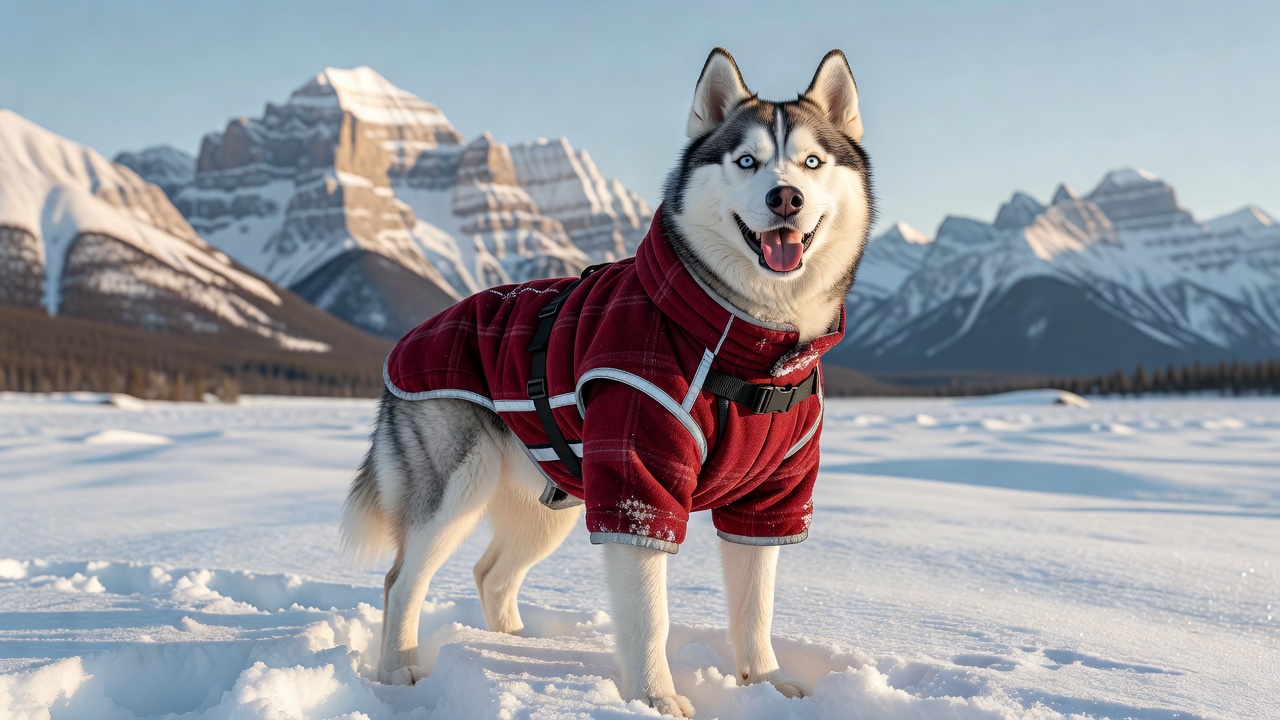
- Insulated Coats and Sweaters: Essential for short-haired breeds, small dogs, and seniors. Look for water-resistant outer layers to block wind and snow, and soft, warming inner linings (like fleece). Our Winter Insulated Dog Coat is a top-rated choice among our customers for its durability and coverage.
- Paw Protection: Ice, compacted snow, and especially harsh chemical road salts can cause serious damage to sensitive paw pads. Booties offer the absolute best protection. If your dog stubbornly refuses to wear them, applying a protective paw wax or balm before every walk is a non-negotiable must. Remember to wipe their paws down with a warm, damp cloth as soon as you get back inside.
- Reflective Safety Gear: With significantly shorter days and longer nights, visibility is crucial for both you and your pet. Ensure collars, leashes, or coats feature prominent reflective strips or LED lights to keep you visible to passing vehicles.
Indoor Comfort and Hidden Winter Dangers
Winter isn't just about braving the outdoors; it's about staying cozy indoors, too. Drafty floors can make a standard pet bed feel like a block of ice.
Consider elevating their bed off the floor or upgrading to a plush, orthopedic, or self-warming option. Moving their sleeping quarters away from cold windows and exterior doors can make a world of difference to their comfort, especially for older pets with achy joints.
Beware of Winter Toxins
Winter brings specific toxic hazards into our environments. Antifreeze (ethylene glycol) is highly toxic to both dogs and cats. Unfortunately, it has a sweet taste that pets are naturally drawn to. Even a small amount can be fatal. Clean up any spills in your garage or driveway immediately, and consider switching to a pet-safe antifreeze alternative.
Similarly, be cautious with ice melts. Store-bought rock salt can cause chemical burns on paws and severe gastrointestinal distress if ingested when they lick their paws. Opt for pet-safe ice melts around your property to keep everyone safe.
Adjusting Their Diet for the Season
Pets who spend a significant amount of time playing outside in the cold—perhaps joining you for snowshoeing or cross-country skiing—may require extra calories to maintain their core body heat. Their bodies burn more energy just trying to stay warm.
Conversely, if your pet prefers to hibernate on the couch all winter, taking only the quickest of bathroom breaks, you might actually need to reduce their caloric intake to prevent the dreaded winter weight gain. Consult your veterinarian to find the perfect nutritional balance for your pet's winter lifestyle.
Winter in Canada is a beautifully magical season. With a little foresight, the right gear, and an understanding of their needs, you and your pet can safely enjoy the snowy trails and cozy nights by the fire in perfect harmony.

Join the Conversation (3 Comments)
Great article! We tried booties for our Golden Retriever, but she absolutely hated them and did a hilarious high-step dance before refusing to walk. We switched to the paw balm you recommended last year, and it's been a total game-changer for our winter walks. No more cracked pads!
I honestly never thought about the calories! Our lab is definitely a couch potato in the winter, and he usually gains a few pounds by spring. I should probably adjust his food slightly starting now. Thanks for the tip, Dr. Jenkins!
You're very welcome, Jessica! It's a very common oversight. Even a 10% reduction in their daily kibble can help prevent that sneaky winter weight gain, keeping their joints healthier in the long run.
Leave a Reply
Your email address will not be published. Required fields are marked *